DTF vs DTG vs Screen Printing: An In-Depth Comparison for Custom Apparel
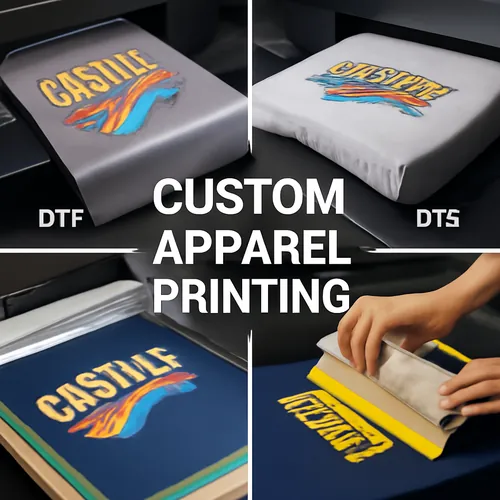
When it comes to printing custom apparel, three popular methods often come into play: DTF (Direct to Film), DTG (Direct to Garment), and Screen Printing. Each technique has its own strengths and weaknesses. This article will delve into a detailed comparison of these printing methods, helping you make an informed decision for your next project.
Understanding DTF Printing
DTF printing involves printing designs onto a special film that is then transferred to the fabric using heat and pressure. This technology has gained popularity for several reasons:
- Vibrant Colors: DTF prints are known for their vibrant colors and excellent detail.
- Versatile Fabric Use: DTF works on a variety of fabrics, including cotton, polyester, and blends.
- Durability: DTF prints are resistant to fading and cracking, ensuring a long-lasting product.
However, there are some drawbacks:
- Initial Cost: The setup costs for DTF can be higher than some other methods.
- Complex Process: The process requires careful handling of the film and printer settings.
Exploring DTG Printing
DTG printing is a method that involves directly printing designs onto garments. It uses inkjet technology, making it a popular choice for detailed designs. Here are some advantages:
- High Detail: DTG is ideal for complex designs, allowing for high-resolution prints.
- No Minimum Orders: Perfect for small runs or one-off designs.
- Soft Feel: The ink is absorbed into the fabric, providing a natural feel and finish.
However, DTG also has its limitations:
- Time-Consuming: Printing can take longer compared to other methods, especially for larger batches.
- Fabric Compatibility: Works best on 100% cotton, which limits its versatility.
Screen Printing: The Classic Method
Screen printing is a time-tested method that involves pushing ink through a mesh screen onto the fabric. It has been favored for decades, and here’s why:
- Cost-effective for Large Runs: Economical for bulk orders due to setup efficiency.
- Durability: Screen prints are very durable and can withstand numerous washes.
- Color Vibrancy: Produces vibrant colors, particularly in solid shades.
Nonetheless, screen printing comes with certain downsides:
- Setup Time: Requires time for setup, which can make small orders expensive.
- Limited Design Complexity: Not ideal for intricate designs, particularly those with multiple colors.
Choosing the Right Method for Your Needs
When deciding between DTF, DTG, and Screen Printing, consider the following factors:
- Order Size: For large quantities, screen printing may be the best option. For smaller runs, DTG or DTF could be more appropriate.
- Design Complexity: If your design is intricate and colorful, DTG or DTF may provide better results.
- Fabric Type: Choose the method that best matches your fabric choices.
- Budget: Assess setup and printing costs in relation to your budget.
Conclusion
In the battle of DTF vs DTG vs Screen Printing, there is no one-size-fits-all answer. Each printing method has its unique advantages and limitations. By understanding these differences, you can choose the best printing method for your custom apparel needs, ensuring satisfaction and longevity for your designs.