A Comprehensive Guide to Understanding DTF Ink, Film, and Powder
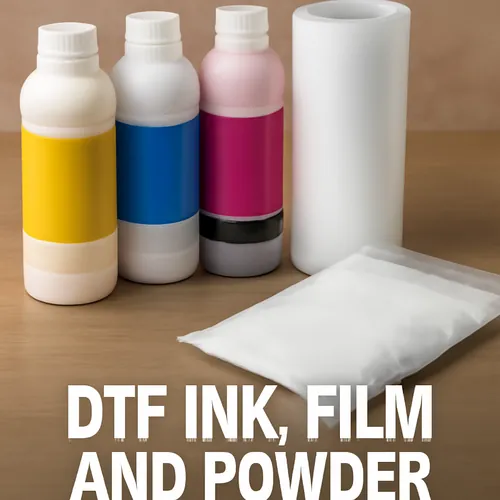
Direct-to-Film (DTF) printing is revolutionizing the way designs are transferred onto various materials. Understanding the components involved—DTF ink, film, and powder—is crucial for anyone looking to get into this exciting printing method. This guide offers an in-depth look at each of these elements and how they work together to produce stunning results.
What is DTF Printing?
DTF printing is a process where ink is printed onto a special film, followed by a powder application, and then transferred onto a substrate, usually fabric. This method allows for high-quality prints with vibrant colors and excellent durability.
Understanding DTF Ink
DTF ink is specifically designed for use in the DTF printing process. It typically consists of water-based pigments that provide a wide color gamut and impressive adhesion to various surfaces.
One key feature of DTF ink is its ability to maintain consistency across different prints, ensuring that every design looks just as vibrant as the last. Additionally, the ink is formulated to withstand washing and wear, making it suitable for apparel and other items that require durability.
The Role of DTF Film
DTF film acts as the canvas for the DTF ink. This special transfer film is coated with a unique polymer that allows the ink to adhere effectively during the printing process. The film typically comes in rolls and is available in various sizes to accommodate different printing needs.
One of the key advantages of using DTF film is its versatility. It can be used on a range of fabrics, including cotton, polyester, and blends, which makes it ideal for customizing apparel, bags, and other textile products.
DTF Powder Explained
DTF powder is an essential component that plays a pivotal role in the transfer process. After the ink is printed onto the DTF film, a layer of DTF powder is applied while the ink is still wet. The powder acts as an adhesive, binding the ink to the film and preparing it for the heat transfer process.
Once the powder is applied, the film is passed through a curing unit where the powder melts and solidifies, ensuring that the ink transfers properly during the final heat application. This step is crucial for ensuring that the final print is durable, vibrant, and long-lasting.
The DTF Printing Process
The DTF printing process can be summarized in a series of steps:
- The design is created and sent to a DTF printer that uses DTF ink to print it onto the transfer film.
- While the ink is still wet, DTF powder is evenly sprinkled over the design.
- The design is then cured using heat, which melts the powder and secures the ink onto the film.
- Finally, the printed film is placed onto the substrate, and heat is applied again to transfer the design onto the fabric.
Conclusion
DTF printing opens up new opportunities for customization and design with its unique blend of DTF ink, film, and powder. Understanding the roles of each component is essential for achieving the best results in your printing projects. Whether you are a small business owner or a DIY enthusiast, DTF printing provides a flexible and efficient way to bring your creative visions to life.