A Beginner’s Guide to Different Types of T-Shirt Printing Methods
Starting a t-shirt printing business or simply looking to customize your own tees? Understanding the different types of t-shirt printing methods available is crucial for your success. Each method has its own advantages and disadvantages, making it important to choose the right one for your specific needs. In this guide, we’ll break down the most popular t-shirt printing techniques to help you make an informed decision.
1. Screen Printing
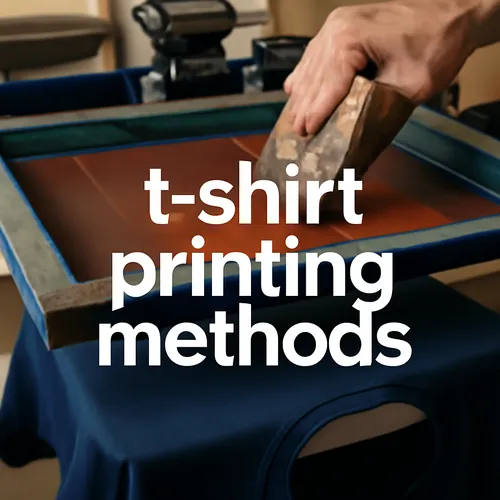
Screen printing is one of the oldest and most popular methods for t-shirt printing. This technique involves creating a stencil, or “screen,” and using it to apply layers of ink onto the fabric. It works best for bulk orders and produces vibrant colors that are long-lasting.
Pros: Durable prints, vibrant colors, cost-effective for large runs.
Cons: Not ideal for designs with multiple colors in low quantities, setup can be time-consuming, and requires additional equipment.
2. Direct-to-Garment (DTG) Printing
DTG printing uses a specialized inkjet printer to directly apply ink onto the t-shirt fabric. This method is suitable for intricate designs and allows for a wide range of colors. DTG is especially great for small orders or one-off designs.
Pros: High-resolution prints, ideal for complex designs, no minimum order requirements.
Cons: Slower printing speed, higher cost per unit for larger orders, not as durable as screen printing.
3. Heat Transfer Printing
Heat transfer printing uses heat to transfer a printed design onto the t-shirt. You can either use vinyl sheets or transfer paper. This method is versatile and ideal for small orders or one-off items.
Pros: Easy to create custom designs, suitable for small batches, and allows for a variety of materials.
Cons: Prints may crack or fade over time, not as durable as screen printing, and can be less cost-effective for larger runs.
4. Sublimation Printing
Sublimation printing is a unique technique where dye is transferred onto the fabric using heat, turning the dye into gas and embedding it into the fibers. It works best on polyester or polyester-coated substrates.
Pros: Endless color options, no peeling or cracking, great for all-over prints.
Cons: Limited to light-colored fabrics, requires specific material types, and can be more expensive for low quantities.
5. Vinyl Cutting
Vinyl cutting involves using a cutting machine to cut letters and designs from colored vinyl, which are then heat-pressed onto the garment. This method is commonly used for sports jerseys and names.
Pros: Excellent for simple designs, strong and durable, quick production time.
Cons: Limited to single colors unless layering, not suitable for very complex designs.
Conclusion
Choosing the right t-shirt printing method depends on several factors, including your budget, design complexity, and order quantity. By understanding these different techniques, you can make an informed decision that aligns with your needs, whether you’re starting a business or simply customizing a unique piece for yourself. Always consider testing a sample before committing to a larger order, as each method yields different results.